Plenty of businesses look at a signage project and decide to run it themselves. Fees disappear, you keep control of every decision, and the job sounds simple enough. The catch is everything sitting underneath it: design, council regulations, structural engineering, and brand strategy all feed into one sign, and getting a single piece wrong can undo the rest.
Before you commit, it is worth knowing where DIY signage projects tend to come unstuck.
Poor Sign Placement
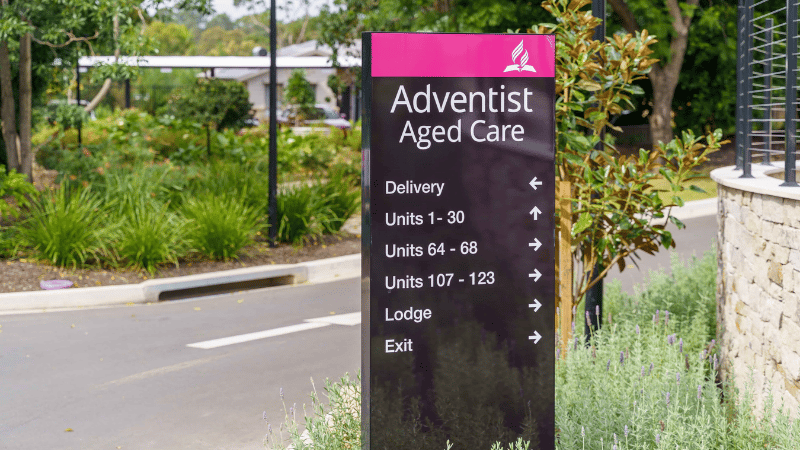
A sign is only doing its job if people can see it. Placement seems simple until you factor in sightlines, the angle of approaching traffic, nearby trees, competing signs, and how your building sits on the block. Get it wrong, and your sign ends up tucked behind a power pole or facing the wrong way, and customers drive straight past without realising you are there.
Professionals assess your site before anything is built. They look at where people are coming from, how fast they are moving, and what catches the eye from a distance. They also notice the things that are easy to overlook, like seasonal foliage that blocks the view for half the year or a neighbouring building that throws your sign into shadow. That groundwork is the difference between a sign that works and one that quietly underperforms for years.
Reduced Brand Visibility
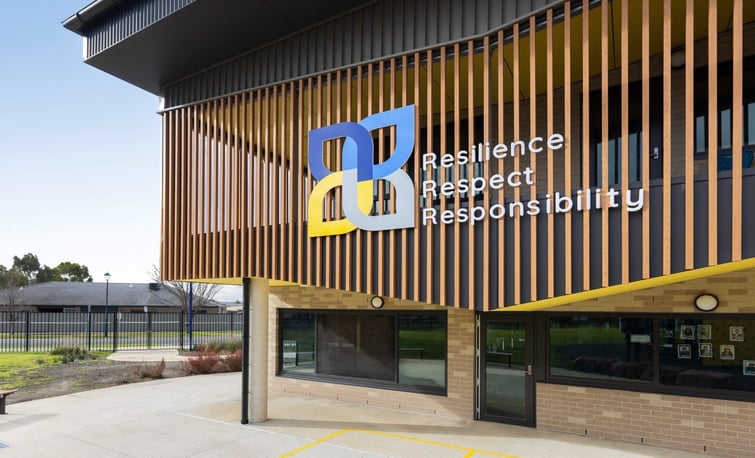
Visibility comes down to more than location. Without an understanding of viewing distances and how the eye reads a sign at speed, it is easy to choose lettering that is too small, contrast that is too weak, or a layout that is too busy. The result is a sign that technically exists but does not pull its weight, leaving your brand far less noticeable than it should be.
Working out the right size, height, and design for your particular site takes experience that most businesses do not have in-house. If you are not sure how your current signage stacks up, our Visual Strategy Workshop audits how visible and effective it really is and shows you where the gaps are.

Costly Mistakes
This is where the DIY approach tends to hurt the most. Choosing the wrong materials for your climate, the wrong size for your viewing distance, or the wrong location for council approval can leave you with a sign that has to be modified or scrapped entirely. Coastal businesses often learn this the hard way when budget materials start to rust within a couple of years.
Then there is the matter of permits. Many areas require council approval before a sign goes up, and one installed without the right paperwork may have to come down again at your cost. These are the sorts of details that are obvious to a specialist and invisible to almost everyone else.
Too Many Moving Parts
A signage project is rarely a single task. You are coordinating designers, manufacturers, and installers, and sometimes councils, electricians, or crane operators on top of that, each working to their own timeline. Managing all of it yourself means chasing quotes, relaying information between parties, and hoping nothing gets lost along the way.
When one team owns the whole process, those moving parts stay aligned. A full-service provider handles the consultation, design, fabrication, and installation under one roof, so there is a single point of contact and far less room for miscommunication, delays, and stress that come with juggling it all.
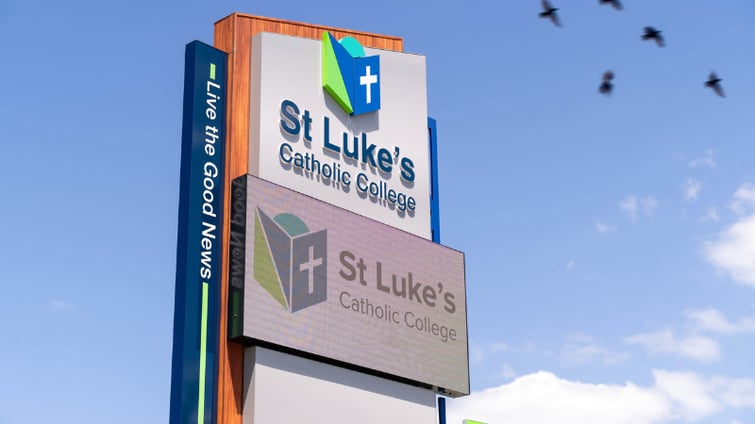
Short-Term Savings, Long-Term Costs
The cheapest option almost never stays the cheapest. Budget materials fade faster, lower-quality fixings work loose, and a poorly planned sign tends to need repairs or early replacement. What looked like a saving at the start quietly turns into a recurring expense.
Good signage should be treated as an investment that lasts years, not months. Spending a little more upfront on quality materials, proper installation, and a design suited to your site usually works out cheaper over the life of the sign, especially once you factor in the cost of replacing one that failed early. It also protects something harder to put a number on: a faded, crooked, or peeling sign reflects on your brand every single day it stays up.
When It Pays to Bring in the Experts
Getting signage right takes more work than it looks, and that is the part most businesses underestimate. A specialist handles the site assessment, design, material choices, and project coordination, turning a rough idea into a sign that performs for years while you stay focused on running your business.
The surest way to avoid these pitfalls is to have someone who has dealt with them before run the project from the start. Get in touch with the CSI team to talk through what your site needs.